

Generative engine optimization for small business: How to win with a small budget in 2026

In a past work life, I stole search rank positions #1 and zero and even featured snippets from much larger companies, including HubSpot. That’s why I firmly believe bootstrapped small-to-medium-sized businesses (SMB) can compete with big-budget corporations.
Strategies like SEO, social media, and generative engine optimization for small business make it possible.
I know what you’re thinking, “GEO for small business? Not another thing to add to my plate.” But generative engine optimization (GEO) doesn’t actually mean a complete overhaul of your marketing. It‘s an evolution of what you’re likely already doing with SEO — just adapted for a world where AI referral traffic to SMB websites increased by 123% in just a matter of months.
GEO doesn’t demand more time; it demands smarter use of the time you already have. This guide will show you exactly how, without draining your budget or hiring a specialized team.
Table of Contents
- TLDR
- What is generative engine optimization for small business?
- Why Generative Engine Optimization Matters Now for Small Businesses
- How to Do Generative Engine Optimization for Small Business
- Generative engine optimization best practices for small business
- Generative engine optimization for local content
- Recommended generative engine optimization software on a budget
- FAQs about Generative Engine Optimization for Small Business
- Do small businesses need GEO?
TLDR
Generative engine optimization (GEO) helps small businesses get cited in AI-generated answers from ChatGPT, Perplexity, and Google’s Gemini without requiring big budgets or new skills. If a small business is already doing well with SEO, leaning into schema markup, optimizing their Google Business Profile, creating FAQ pages, encouraging customer reviews, and ensuring name, address, and phone number (NAP) consistency across their web presence will set them up for GEO success.
Most can start with free tools and see results within 4-8 weeks, with local businesses having a particular advantage since they can dominate geographic-specific queries more easily than national competitors. HubSpot Marketing Hub has several free tools to help you structure, publish, and optimize your content in your GEO efforts, while our free AI search grader can help you audit how you’re currently doing.
What is generative engine optimization for small business?
Generative engine optimization (GEO) for small business is the practice of making your content easy for AI-powered search tools to find, understand, and cite when generating answers to user questions.
Here‘s how it works in plain English: When someone asks a generative engine (like ChatGPT, Perplexity, or Google’s Gemini) a question, these AI systems scan the web to gather information.
Instead of showing a list of links (like traditional search), they create a synthesized answer and cite sources they consider reliable and authoritative. GEO ensures your small business becomes one of those cited sources.
GEO vs. SEO: What SMBs Need to Know
Traditional SEO for small businesses focuses on ranking your website in search engine results pages (SERPs) so people can click through, browse, and take action. GEO focuses on getting your business mentioned directly in AI-generated answers, even if users don’t always click through.
– Wait, no click? What’s the point then? GEO is still extremely valuable for small businesses. Let me explain with an example.
Say you’re an event planner, and a potential customer is looking for information on their opens.
- SEO: “Here are 10 event planners near you” → User clicks your listing → Visits your website
- GEO: “Based on reviews and service offerings, here are the top event planners in your area…” → Your business gets mentioned with key details → User may visit your site OR contact you directly, but they still become aware of your business and its expertise.
Both awareness and traffic matter. In fact, BrightLocal’s 2025 SMB Marketing Report found that 72% of SMBs say SEO has a significant impact on growth, and now GEO is extending that reach to AI platforms.
The most important thing to understand: If you‘re doing SEO well, you’re already the majority of the way to effective GEO. The foundations are the same: quality content, credible information, and technical soundness. GEO just adds a few targeted optimizations on top.
(Plus, you should regularly revisit your search strategy anyway.)
Why Generative Engine Optimization Matters Now for Small Businesses
Shift from Rankings to Multi-surface Visibility
Search engines are certainly not dead, but consumer search behavior is changing. Getting found isn’t just about search engine rank anymore; it’s about being visible across multiple platforms, and that includes AI engines.
A study by GWI found 31% of Gen Zers already use AI platforms or chatbots most frequently to find information online, while research from Semrush predicts that LLM traffic will pass traditional Google search by the end of 2027.
If small businesses are going to stay competitive, they need to take note of these changes and adapt their strategies accordingly.
Early adoption benefits
Our 2026 State of Marketing found over 92% of marketers plan on or are already using SEO optimization for traditional and AI-powered search engines.
At the same time, nearly 24% are exploring updating their SEO strategy for generative AI in search (e.g. ChatGPT, Gemini, Claude). That means it’s likely your competitors are already showing up in AI search results.
For small businesses, this creates both opportunity and urgency. Early adopters who optimize for AI search are establishing authority before the space becomes saturated.
But don’t worry, you don’t need months to start seeing GEO benefits.
7 Day Quick-Win Checklist for GEO for Small Business
Here’s what you can accomplish in the next week:
Day 1-2: Audit your Google Business Profile — ensure all information is complete, accurate, and includes detailed service descriptions. Learn more about what this looks like in our article, “Google My Business Guide: Complete Overview & Expert Tips.”
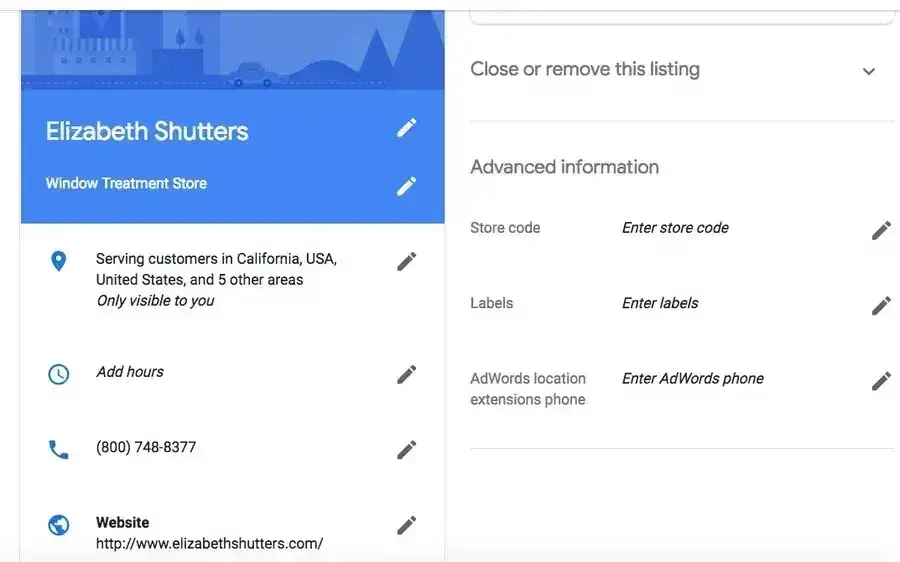
Day 3: Add FAQ schema to your most important pages using a free schema generator. More on that and schema markup in general in our article, “How to Use Schema Markup to Improve Your Website’s Structure.”
Day 4-5: Update your homepage and key service pages with clear, direct answers to common customer questions in the first 2-3 paragraphs.
Pro Tip: Also, make sure to highlight your location. Local SEO can be a very influential part of AI search. (More on that later.)
Day 6: Add author bios and credentials to blog posts and service pages.
Day 7: Check if your site appears in ChatGPT or Perplexity for your core services (search “[your service] in [your city]”)
We’ll expand on this process further in our next section.
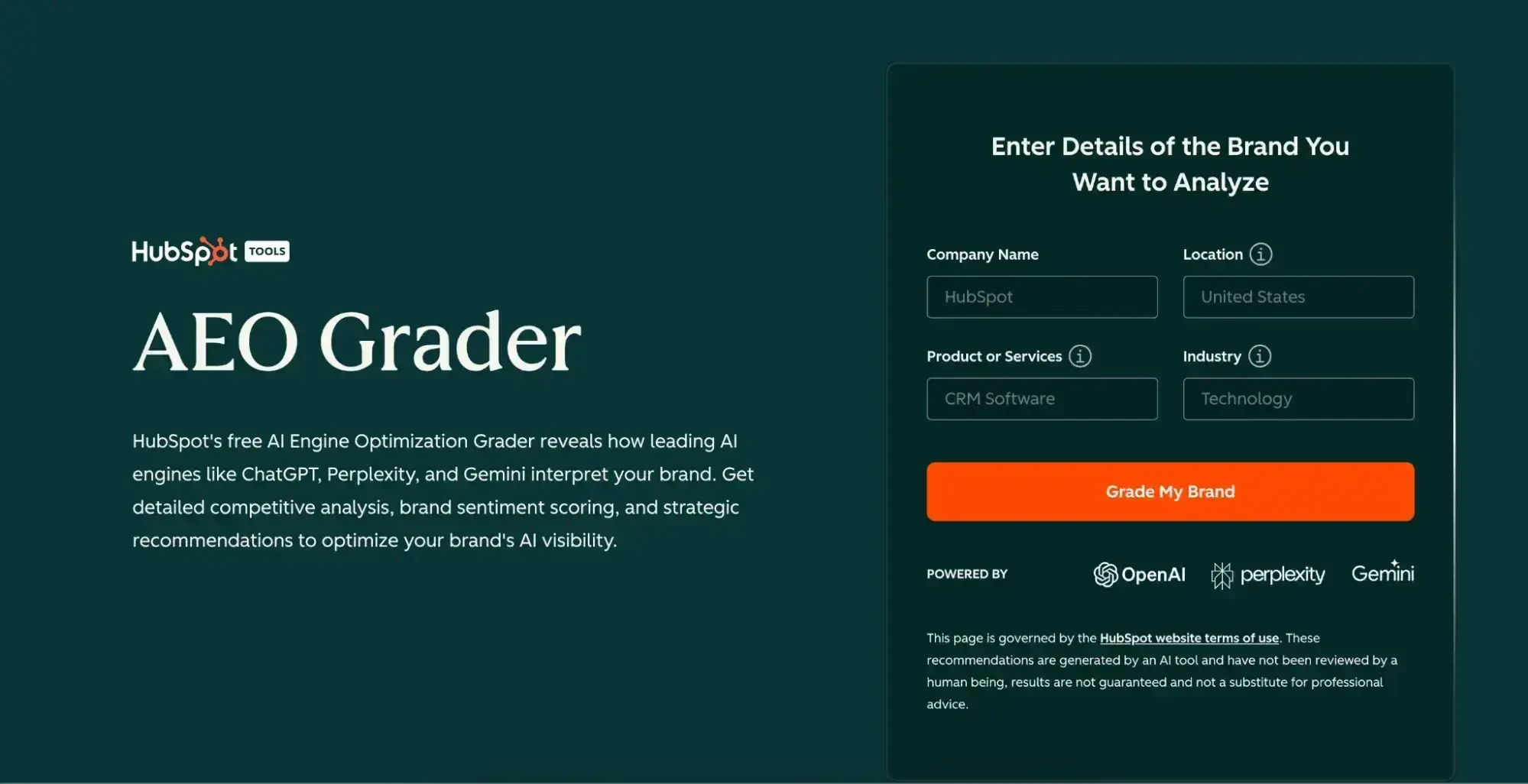
Want to know where you stand right now? Use HubSpot’s AI Search Grader to check your AI search visibility and get personalized recommendations.
How to Do Generative Engine Optimization for Small Business
1. Audit your AI visibility and foundations.
Before optimizing anything, you need to understand where you currently stand.
HubSpot’s free AI Search Grader is a great place to start. It’ll give you a detailed competitive analysis, brand sentiment score, and strategic recommendations to optimize your brand’s AI visibility, but don’t stop there.
- Search for your business name + service in ChatGPT, Perplexity, and Google (with AI Overviews enabled).
- Complete your Google Business Profile.
- Run your website through Google’s Rich Results Test.
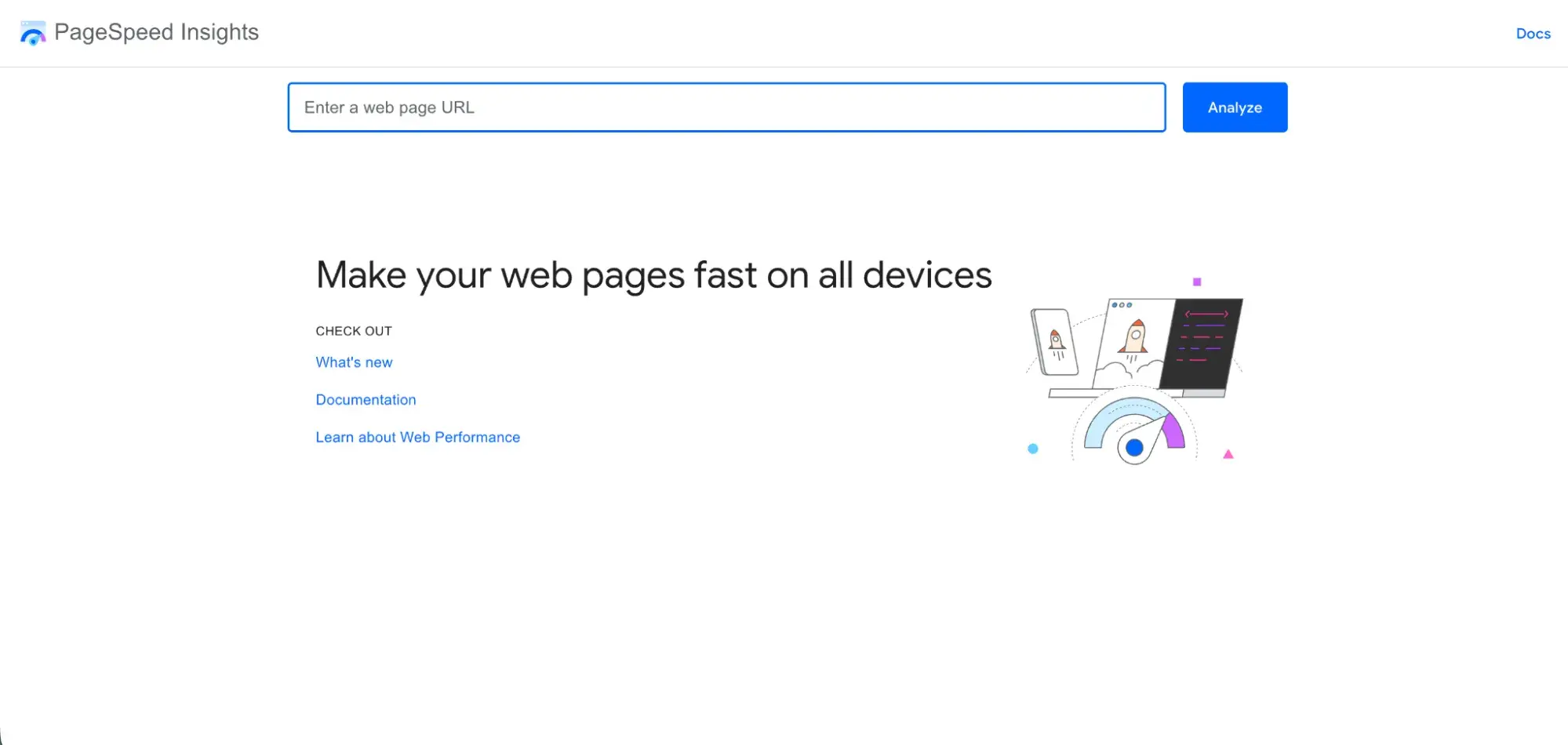
- Use Google PageSpeed Insights to check site performance (i.e., speed).
As you do this, ask yourself:
- Does your business appear when you search for your category + location?
- Is the information accurate?
- Do you have basic schema markup in place?
- Is your site mobile-friendly and fast?
This baseline audit takes 30-45 minutes and will show you exactly where to focus your efforts.
2. Research what/who LLMs are already citing in your niche.
Large language models (LLMs) have citation patterns. They look for certain types of sources and content structures get referenced more frequently — though I’ve noticed they’re not always the biggest or most well-known sources.
(If you’re still debating if GEO is worth it for a small business, I’d say that’s an encouraging sign, but I digress.)
Take some time to research which sources, companies, and even competitors are getting cited for the questions your customers typically ask. Type each question into each AI tool individually, and note which businesses come up.
Visit those sites and analyze:
- How they structure their content
- What credentials do they display
- How they answer questions (format, length, specificity)
- What schema markup do they use (check with Schema Markup Validator)
This will give you insight into what content formats AI prefers (i.e., listicles, Q&A, detailed guides), content lengths, and common elements such as customer reviews, specific data points, and local references. This research is free and should take about 1-2 hours.
Pro Tip: If you don’t know what questions your audience is asking. Check out AnswerThePublic and the “People Also Ask” boxes in Google search results. You can also check with your sales and customer service reps to see which questions come up most often in their conversations.
3. Optimize your existing content to be LLM-friendly.
You don’t need to hire writers or create dozens of new pages, at least not right off the bat. Start by optimizing what you already have with these techniques:
Lead with direct answers (first 200-300 words):
- State the answer to the target question immediately
- Include your business name, service, and location in the first paragraph
- Use natural, conversational language
For instance, don’t say “In this post, we’ll share various templates for planning your events.”
Say, “Ramona’s Elite Events offers high-end party and event planning services in downtown Boston. Our seasoned planners typically respond within 24 hours to requests regarding Boston-area birthdays, weddings, engagement parties, and corporate events.”
Add clear structure:
- Use descriptive H2 and H3 headings that include target keywords and questions
- Include a table of contents for longer pages
- Include comparison tables to organize important data
- Add FAQ sections with schema markup (use a free FAQ schema generator)
Include credibility signals:
- Author names with brief credentials
- Publication/update dates
- Customer review counts and ratings, Certifications, licenses, or industry affiliations
- Specific service details (response times, service areas, pricing ranges)
HubSpot’s Content Hub has a host of free tools to help you accomplish these tasks. You can also try free tools like Google Docs, Grammarly, and Hemingway Editor to simplify complex language
4. Plan question-led content and entity coverage.
With your format and structure insights handy, you can start planning your content. AI systems are designed to answer questions, so keep your content organized around the actual questions your customers ask.
Follow these simple steps to get started:
- List 10-15 core questions
- Note which ones you already answered on your website
- Identify gaps where you need new content
- Prioritize based on search volume and business impact
Pro Tip: Be mindful of specificity, especially when it comes to “entity coverage.” Entity coverage means being specific about who/what/where you’re discussing.
Instead of “we offer services,” write “Ramona’s Elite Events offers party and event planning services in downtown Boston.” AI systems need this specificity to confidently cite your content.
5. Publish across multi-platform channels.
We touched upon this lightly earlier, but search is no longer just about your website. In fact, GEO especially looks for sources that have established authority across a variety of different platforms people turn to for information.
Similar to social media, the goal isn’t to be everywhere, though. The goal is to be visible on the platforms your audience (in this case, AI systems) use as sources for your industry. This includes, but is not limited to:
- Google Business Profile
- YouTube: Short how-to videos and service explanations get indexed by AI systems
- LinkedIn: Share expertise through posts and articles
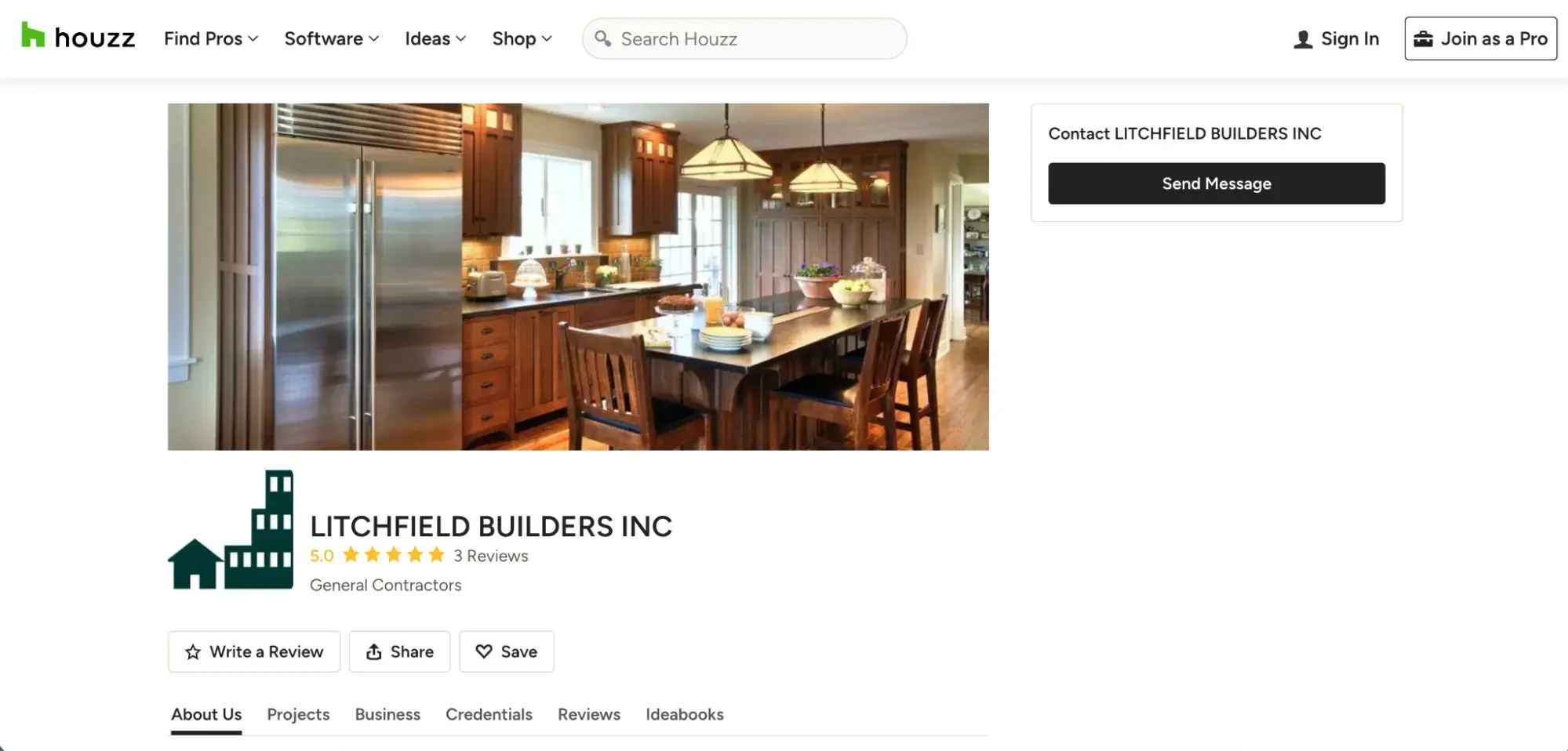
- Industry directories (i.e. Houzz for the construction industry): Ensure consistent NAP (Name, Address, Phone) across all listings
- Local news/blogs: Pitch expert commentary to get quoted and linked
- Review Sites: Make sure your profile is complete and address all your reviews.
Pro Tip: According to Search Engine Land’s 2025 research, 88% of consumers would use a business that responds to all reviews, compared to just 47% who would trust one that stays silent. So converse with your customers, satisfied or dissatisfied.
6. Measure and iterate monthly.
No plan is perfect, especially if you’re just getting started.
So, make sure you have key performance indicators (KPIs) in place and conduct regular checks to monitor your progress. At the very least, you should check these metrics monthly, but I’d say it’s smart to even look weekly once you start seeing progress.
Metrics and KPIs can include:
- Number of AI citations: How many times was your business mentioned this month?
- Check Google Search Console for AI Overview appearances
- Search your business in ChatGPT, Perplexity, and Google AI Mode to do a spot check if you’re cited
- AI referral traffic: Monitor website traffic from AI platforms in HubSpot or Google Analytics.
- Ranking vs. Competitors: Are you cited before or after competitors?
Generative engine optimization best practices for small business
Now that you know how to get started, here are five GEO best practices to keep in mind as you implement, especially as a small business with limited time and resources.
1. Prioritize your Google Business Profile.
According to WhiteSpark research, GBP is the most important ranking factor for small businesses, especially local ones. Think of your GBP as your business’s first impression to AI systems.
When someone asks ChatGPT or Google’s AI for recommendations in your category and location, the completeness and quality of your GBP directly influence whether you get mentioned.
Here’s what you can do:
- Complete every section— don’t skip hours, services, attributes, or your business description
- Use primary keywords naturally: “event planning in Boston,” not “I help you party.”
- Post weekly to signal you’re an active, legitimate business
- Upload photos regularly (businesses with photos get 35% more engagement)
- Respond to every review within 24-48 hours
The time investment is minimal: about 30 minutes for initial setup, then just 15 minutes weekly for maintenance.
2. Implement schema markup.
Schema markup tells AI systems exactly what your content means, so it doesn’t have to guess. Think of schema as a translation layer between your human-readable content and machine-readable data.
For small businesses, you don’t need to implement every schema type that exists. Focus on these three essential types that deliver the most impact:
- LocalBusiness Schema: Your business name, address, phone, hours, service area, categories, and ratings
- FAQ Schema: Questions and answers that help you appear in AI-generated responses
- Service Schema: Specific services you offer, pricing ranges, and service area coverage
And you don’t need to be a developer to implement schema.
Free tools like Google’s Structured Data Markup Helper and Schema Markup Generator by Technical SEO walk you through the process step-by-step.
Many website platforms, including WordPress, Squarespace, and Wix, offer plugins that automatically add schema with just a few clicks. HubSpot supports schema both in templates and via CRM data modelling.
For more on technical optimization, read our guide on how to optimize your site structure for maximum SEO impact.
3. Create question-focused FAQ pages.
Frequently asked question (FAQ) pages are GEO goldmines because they directly match how people query AI systems.
When someone asks ChatGPT, “What event planners in Boston take on events outside the city?” your FAQ page with that exact question and a clear answer becomes highly citable.
Create a dedicated FAQ page with clear, concise answers of 100-200 words each, like Beem Light Sauna does below. Add FAQ schema markup to explicitly tell AI systems “this is a question, this is the answer.”
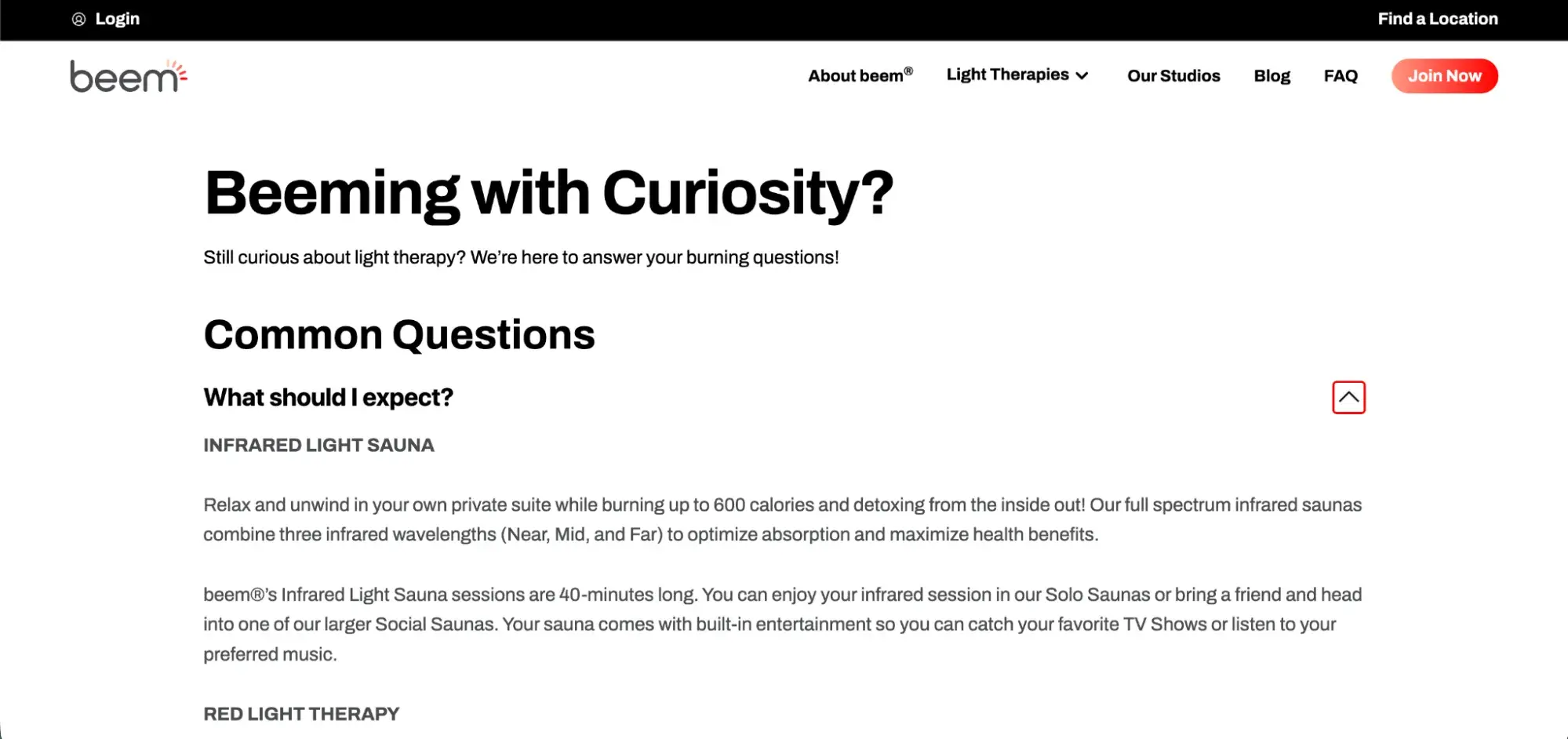
Include specific details like prices, timelines, service areas, and credentials rather than vague responses. Each answer should link to relevant service pages for customers who want more information.
4. Leverage customer reviews systematically.
Reviews aren‘t just social proof; they’re credibility signals that AI systems weigh heavily when deciding who to cite. The difference between a business with 50 generic five-star reviews and one with 50 detailed reviews mentioning specific services and outcomes is substantial in AI citation decisions.
When asking for reviews, encourage customers to mention specific services, results, or experiences.
“Can you share details about which service you used and how it helped?” prompts much richer content than “please leave us a review.” A review saying “Ramona’s Epic Events helped us plan a memorable 70th birthday for our dad under budget and with a short timeline!” is exponentially more useful to AI systems than “great service.”
Pro Tips:
- Ask for reviews with specific language that encourages detail
- Respond to every review, positive and negative, within 24-48 hours
- Embed reviews on your website with Review Schema markup
- Focus on getting detailed, entity-rich reviews over sheer volume
One important note: FCC regulations passed in late 2024 changed how businesses can request reviews. You can ask satisfied customers to share their experience, but you cannot request a certain star rating or offer incentives for reviews.
5. Keep NAP information consistent.
NAP consistency seems small, but when AI encounters conflicting information about your business across platforms, it reduces confidence in all information about you, potentially excluding you from citations entirely.
Your NAP must match exactly across your website, Google Business Profile, Bing Places, Facebook business page, industry directories like Yelp and Yellow Pages, and all social media profiles. “Exactly” means character-for-character identical.
Common inconsistencies that hurt GEO:
- “Street” vs. “St.”
- Suite number inconsistency
- Different phone numbers across platforms
- Business name variations (“Ramona’s Epic Events” vs. “Ramona’s Elegant Event Planning”)
These seem like minor details, but AI systems use NAP consistency as a trust signal. The fix is straightforward but takes attention to detail: audit every online presence, standardize your NAP format, and update everything to match. A simple free tool to start: search your business name in quotes on Google to see all your listings.
Expect to invest 2-3 hours for the initial audit and fixes, then 30 minutes quarterly to verify everything remains consistent as platforms update.
Generative engine optimization for local content
Many small businesses have a unique GEO advantage: they can often establish expertise for a specific geographic area, which is easier than competing nationally or globally. Here are some tips to try
1. Create location-specific content pages.
If you serve multiple neighborhoods or cities, create dedicated pages for each location with unique, locally-relevant content. Generic “we serve the entire metro area” pages don’t give AI systems the specificity they need to confidently cite you for neighborhood-specific queries.
What to include on location pages:
- Specific neighborhood names, landmarks, and ZIP codes
- Local statistics or facts relevant to your service
- Customer testimonials from that specific area
- Photos of work completed in that neighborhood
- Directions and parking information
For example, many years ago, I worked with a client who did residential and commercial construction in the state. Instead of having a general “Construction in Connecticut,” we created dozens of landing pages catering to specific towns and cities.

For more local SEO strategies, check out our guide on dominating local search.
2. Build local backlinks and mentions.
As you’ve likely gathered, AI systems look for cross-platform validation. Because of this, local backlinks signal authority in your geographic area. Now, you don‘t need hundreds of backlinks; you just need relevant, local ones that confirm you’re an established part of your community.
Try this:
- Pitch yourself to local news outlets as an expert source. Journalists need reliable local experts for quotes, and these mentions build awareness and often come with backlinks to your website.
- Sponsor local events (Little League teams, community festivals, charity runs)
- Offer your service/product to local influencers and creators for honest reviews
- Write guest posts for local business blogs or community websites
- Get listed on Chamber of Commerce and industry association sites
- Participate in local business roundups and “best of” lists
The key is consistency. Building 2-3 quality local links per month compounds significantly over the course of a year.
3. Optimize for “near me” voice searches.
Research shows that 76% of voice searches are related to “near me” and local inquiries, and 72% of consumers use voice to search for local businesses. Furthermore, voice search optimization and GEO follow many of the same practices. So, use this in your favor.
Structure your content to naturally answer voice queries. Don’t keyword-stuff text; write as if you‘re answering a customer’s spoken question. Use long-tail keywords like “award-winning party planning near me” and answer the who, what, when, where, why, and how of your services.
Voice search optimization checklist:
- Use conversational, question-based content structure
- Include business hours prominently on every relevant page
- Answer who, what, when, where, why, and how
- Ensure mobile site speed is fast (voice searches happen on mobile)
- Include long-tail location keywords naturally
Put all together, here’s what voice-optimized content might look like:
“Looking for an experienced event planner to bring your special occasions to life? Ramona’s Epic Events offers event planning services throughout Boston and the surrounding neighborhoods. We typically respond within 24 hours. Call (555) 123-4567 or request a consultation online.”
4. Create locally-focused blog content.
Blog posts targeting local search intent help establish topical authority for your area. These aren‘t promotional posts about your business; they’re genuinely helpful content that demonstrates local expertise.
Think about common shopping pain points and considerations (price, location, features, etc.) in your area and write content around that.
For instance, “Common Wedding Planning Problems That Arise in a Historic Building” addresses issues unique to historic venues. “How to Save an Outdoor Event If It Rains” speaks to local weather patterns. Local regulations make excellent content topics too: “What You Need to Know About Noise Ordinances in Boston.”
Here’s another simple example from my old client.

These posts serve dual purposes by attracting local search traffic and providing AI systems with locally relevant content to give users.
5. Participate in local online communities.
AI systems increasingly scan community platforms for expertise signals, so your participation in them serves multiple purposes: it helps real people, builds local visibility, and creates signals AI systems can detect.
Local Facebook groups, Reddit local subreddits like r/Portland or r/Seattle, and your Google Business Profile Q&A section all offer opportunities to demonstrate expertise.
Where to be active (all free):
- Nextdoor: Answer questions in your service area. Don’t just drop your business name; provide real expertise and mention your business naturally when relevant.
- Local Facebook groups
- Reddit local subreddits (r/[yourcity])
- Google Business Profile Q&A section
- Local online forums specific to your industry
The crucial point here is to be genuine. Promotional spam gets flagged and removed quickly, damaging your reputation. Instead, focus on being the most helpful expert in your local community. To learn more about local SEO fundamentals, read our article on small business SEO strategies.
Recommended generative engine optimization software on a budget
You don’t need enterprise tools to execute effective GEO. Here are budget-friendly options that deliver results whether you’re a small business or a large.
1. Google Search Console (Free)
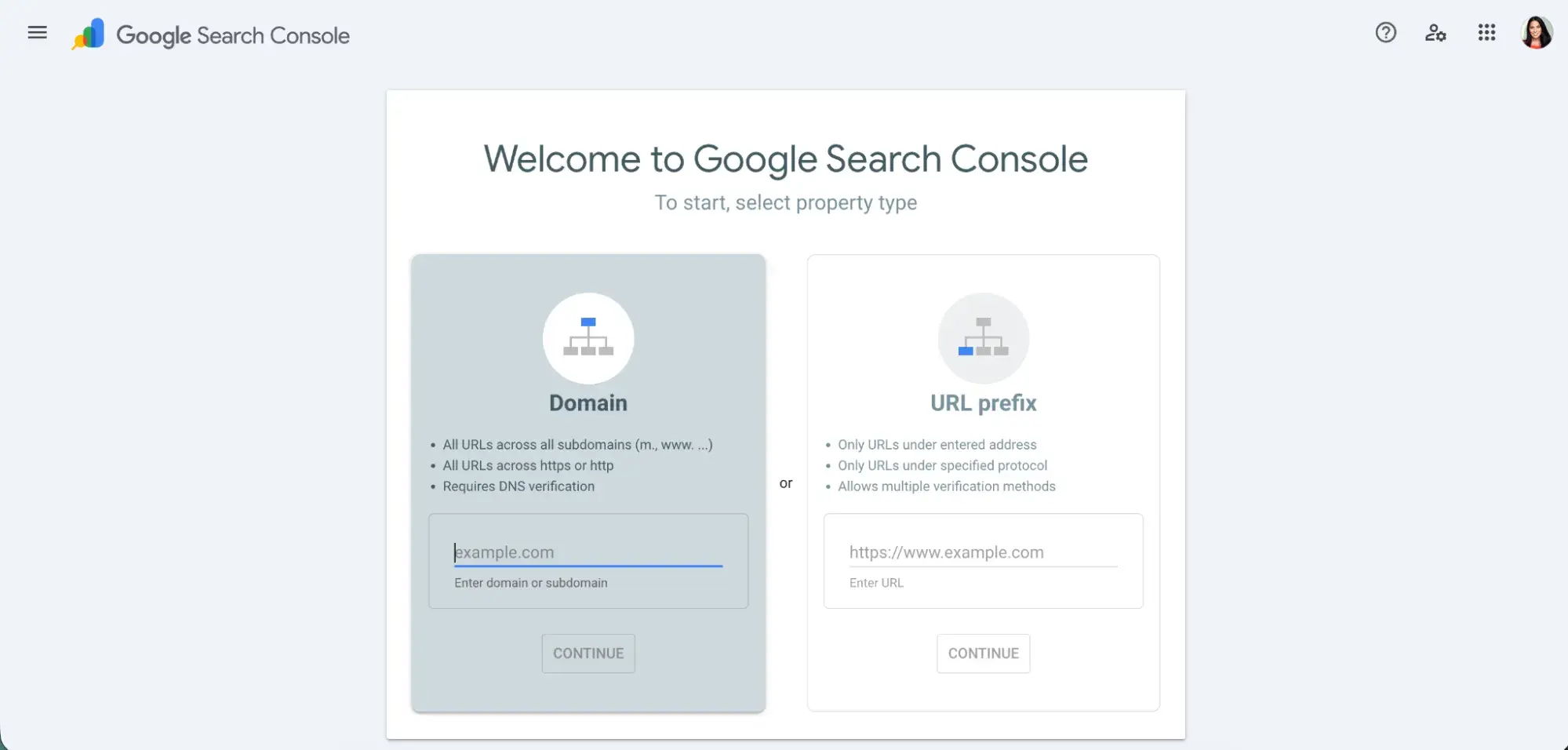
Google Search Console is the foundation of any SEO or GEO strategy, and it’s completely free. This tool tracks your website performance, shows which keywords drive traffic, identifies technical issues that might prevent AI systems from crawling your content, and now even shows when your content appears in AI Overviews.
Every single small business needs this tool. It’s non-negotiable. Set it up once and check it weekly for insights about your content performance. Learn more and get started at Google Search Console.
2. HubSpot Marketing Hub (Free Tier Available)
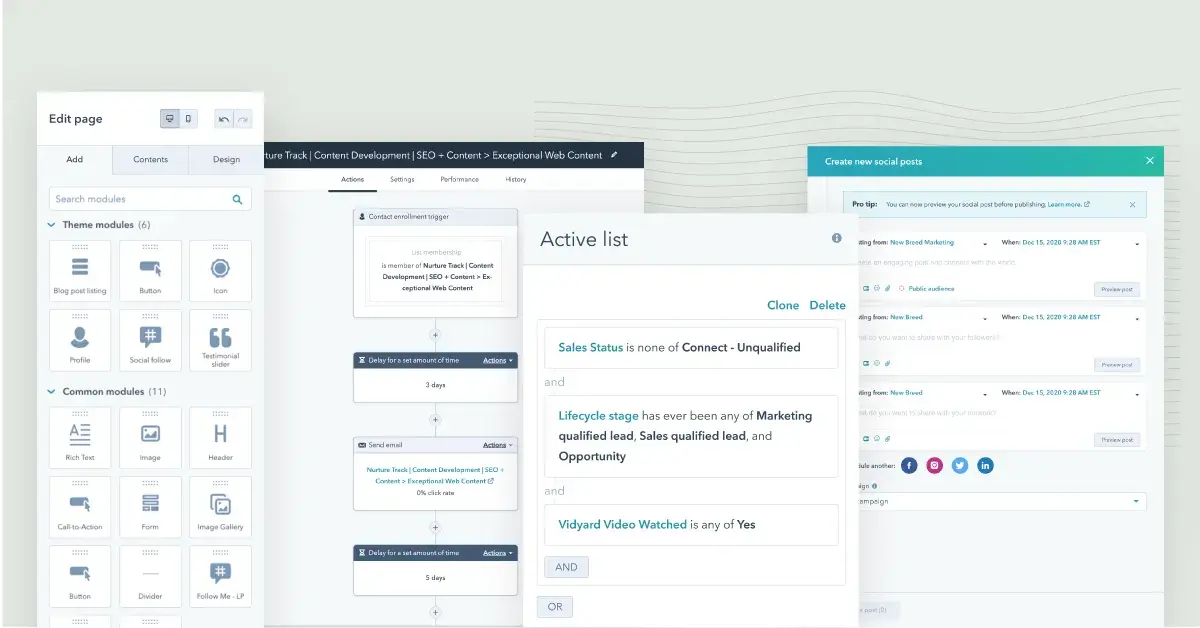
HubSpot Marketing Hub is a comprehensive customer platform that includes marketing, sales, content, service, and website tools for businesses of all sizes.
For small businesses ready to scale content marketing, it offers built-in SEO recommendations, content templates optimized for AI readability, topic cluster tools to organize content, and an AI-powered content assistant.
The free tier provides surprisingly robust features for businesses just starting with content marketing. As you grow, the Starter tier at $20/month adds more sophisticated tools, and Professional at $890/month is appropriate for businesses with dedicated content strategies.
Key features for GEO:
- Built-in SEO recommendations
- Content templates optimized for AI readability
- Topic cluster tools
- Schema markup capabilities (Professional tier)
- AI-powered content assistant
3. Screaming Frog SEO Spider (Free Tier Available)
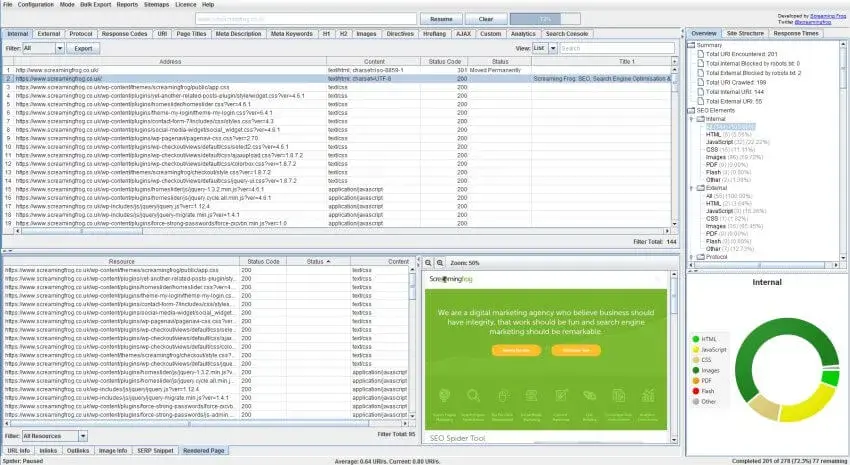
Screaming Frog was a game-changer in SERP conquering days. The software crawls your website to identify technical SEO issues, missing metadata, broken links, and schema implementation problems. For small businesses wanting deep technical insights without hiring a developer, this tool is invaluable.
The free version crawls up to 500 URLs per domain, which is more than enough for most small business websites. The interface takes a little learning, but the insights are worth it. Use the Issues tab for a quick overview of potential problems, then drill down into specifics.
What it audits:
- Technical elements that make content AI-unfriendly
- Schema markup implementation
- Missing meta descriptions or alt text
- Site structure issues that confuse AI systems
- Broken links and redirect chains
The paid version at $259/year unlocks additional features, but most small businesses get excellent value from the free tier. Learn more at Screaming Frog.
4. AnswerThePublic (Free Tier Available)
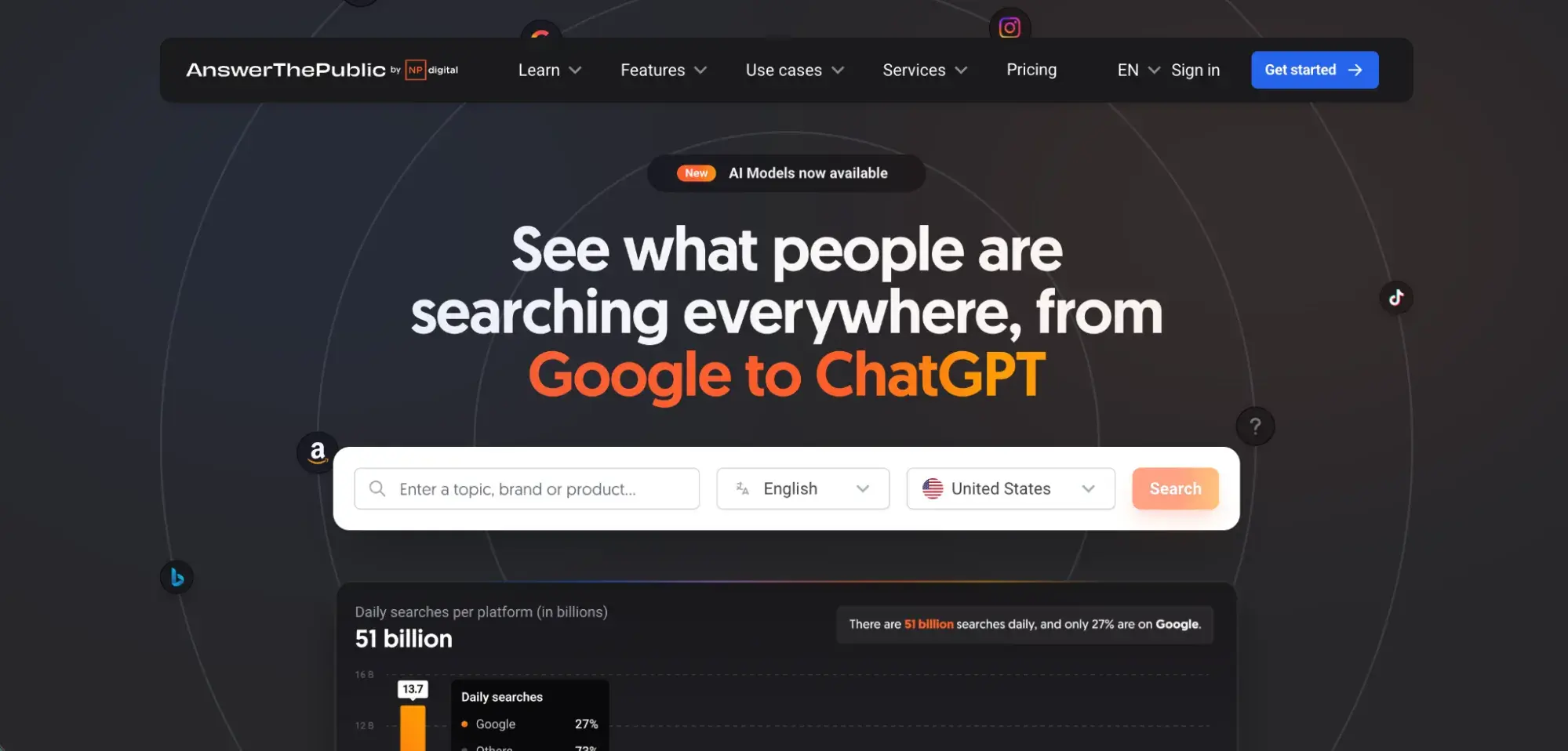
AnswerThePublic generates question-based keywords and content ideas based on actual search queries, making it perfect for GEO strategy. The tool shows you exactly what questions people ask about your services or products, helps you create content that matches AI query patterns, and visualizes question themes and subtopics so you can see content gaps.
The free version allows three searches per day, which is enough for initial research and periodic updates. Type in your core service or product, and you’ll get a visual map of questions organized by who, what, when, where, why, and how. These questions become your content roadmap—each one is an opportunity for an AI citation.
Best for:
- Initial content strategy planning
- Identifying question-based content opportunities
- Understanding how people phrase questions in your industry
- Discovering content gaps in your coverage
The Pro version at $99/month removes search limits and adds competitor analysis, but start with the free tier to validate the approach. Check it out at AnswerThePublic.
Overall, many small businesses achieve significant GEO improvements with just these free tools plus HubSpot‘s free tier. Only upgrade to paid tools once you’ve validated that GEO is driving leads and you’re ready to scale.
Want more SEO strategy insights? Read our article on how often you should revisit your SEO strategy.
FAQs about Generative Engine Optimization for Small Business
How long does it take to see results with GEO?
Small businesses typically start seeing GEO results within 4-8 weeks of implementation, which is actually faster than traditional SEO.
Timeline breakdown:
Weeks 1-2:
- Complete initial optimization (schema, GBP, content updates)
- See improved accuracy if your business was already being mentioned
Weeks 3-6:
- Start appearing in AI responses for long-tail, local queries
- See uptick in traffic from AI platforms in Google Analytics
Weeks 7-12:
- More consistent citations across multiple AI platforms
- Increased visibility for competitive keywords
3-6 months:
- Established authority in your local market/niche
- Regular citations drive measurable traffic and leads
GEO can be faster than SEO because AI systems update source preferences continuously (vs. monthly algorithm updates), there’s less competition for AI citations (for now), and local businesses benefit from geographic specificity. However, like SEO, GEO requires ongoing effort. The businesses that maintain and update their content consistently see the best long-term results.
Do I need new tools, or can I start with what I have?
You can absolutely start with free tools you likely already use or have access to. For most small businesses, free tools (i.e., Google Search Console, HubSpot’s Free Tier, Screaming Frog) are sufficient for the first 3-6 months. Invest in paid tools once you‘ve validated that GEO is driving results and you’re ready to scale.
When to invest in paid tools:
- You’re ready to scale content production
- You want advanced technical audits
- You need to manage multiple locations
- You want automated citation tracking
How does GEO differ from answer engine optimization?
Answer engine optimization (AEO) and generative engine optimization (GEO) are related but distinct:
Answer Engine Optimization (AEO):
- Optimizes for direct-answer features that have existed for years
- Targets: Google Featured Snippets, Knowledge Panels, “People Also Ask” boxes
- Goal: Appear in the “answer box” at the top of traditional search results
Generative Engine Optimization (GEO):
- Optimizes for newer AI platforms that generate original synthesized responses
- Targets: ChatGPT, Perplexity, Google’s AI Overviews, Gemini
- Goal: Get cited as a source within AI-generated answers
The key difference: AEO focuses on extracting one perfect answer. GEO focuses on establishing comprehensive expertise, so AI systems trust you as a source for multiple related questions.
For small businesses, the good news is that optimizing for one generally helps the other. If you create question-focused content with schema markup, you’re improving both AEO and GEO simultaneously. To understand how search is evolving, read our 2025 SEO predictions.
Can GEO help if I only serve a local market?
Absolutely, in fact, local businesses may have a GEO advantage.
Why GEO works well for local businesses:
- Less competition: National businesses compete for broad terms, but you own your specific geography
- Voice search alignment: 76% of voice searches are local, and voice queries match GEO content structure
- Google Business Profile power: GBP is heavily weighted by AI systems for local queries
- Specific intent: Local searches have clear intent, which AI systems handle well
Local GEO advantages you can leverage:
- Geographic specificity: “Emergency plumber in Pearl District, Portland” is easier to own than “emergency plumber”
- Community presence: Local reviews, sponsorships, and mentions carry weight
- Neighborhood expertise: You can create comprehensive local content that national competitors can’t match
- Multi-location visibility: Serve 3-5 neighborhoods? That’s 3-5 opportunities for AI citations
Local GEO checklist:
- Perfect your Google Business Profile
- Create location-specific content pages
- Implement LocalBusiness schema
- Build local citations and backlinks
- Encourage detailed, location-specific reviews
For more on local visibility, check out our guide to local SEO.
Should I hire an agency or keep GEO in-house?
For most small businesses, you can handle GEO basics in-house, especially in the first 6-12 months.
Keep GEO in-house if:
- You have 3-5 hours per month to dedicate to optimization
- You’re comfortable with basic website updates (or your website platform makes it easy)
- You want to control costs during the learning phase
- Your business serves a single location or limited service area
- You have someone on staff who understands SEO fundamentals
Consider hiring help if:
- You serve multiple locations and need scalable implementation
- You have zero time for marketing tasks
- Your website needs significant technical work
- You want advanced competitive analysis and strategy
- You’re ready to invest $1,500-5,000/month for comprehensive services
Middle-ground option: Consultant or freelancer
Instead of a full-service agency, consider hiring a GEO consultant for:
- Initial strategy and audit ($500-1,500 one-time)
- Monthly check-ins to review progress ($300-800/month)
- Technical implementation of schema markup ($500-1,000 one-time)
Questions to ask before hiring:
- Do they have specific GEO experience (not just SEO)?
- Can they show examples of getting clients cited in AI platforms?
- Do they understand local search for small businesses?
- What’s their implementation timeline?
- Do they provide training so you can maintain results?
Do small businesses need GEO?
The short answer: Absolutely. As do large businesses.
Like SEO, GEO is becoming one of the most effective and low-cost ways to get in front of your audience and you don’t have to reinvent the wheel to succeed with it. GEO is an evolution of SEO for an era where AI plays a bigger role in how people discover businesses and information.
The small businesses winning with GEO aren‘t the ones with the biggest budgets; they’re the ones who started early, focused on fundamentals, and consistently delivered value. The good news? As a small business, you’re nimble enough to adapt faster than larger competitors. So start implementing the tips shared in this guide with your team.
Ready to implement these strategies at scale? HubSpot’s Content Hub, Marketing Hub, and Breeze AI provide integrated tools for creating, optimizing, and measuring AI-ready content, with plans designed specifically for small businesses.
The future of search is here. Make sure your business is part of it.

